
Hello! This is Rei, an official Notion ambassador.
Anyway, creating an estimate can be quite tedious, right?
This time, I'm going to introduce an easy way to create such an estimate: a **Notion estimate template**!
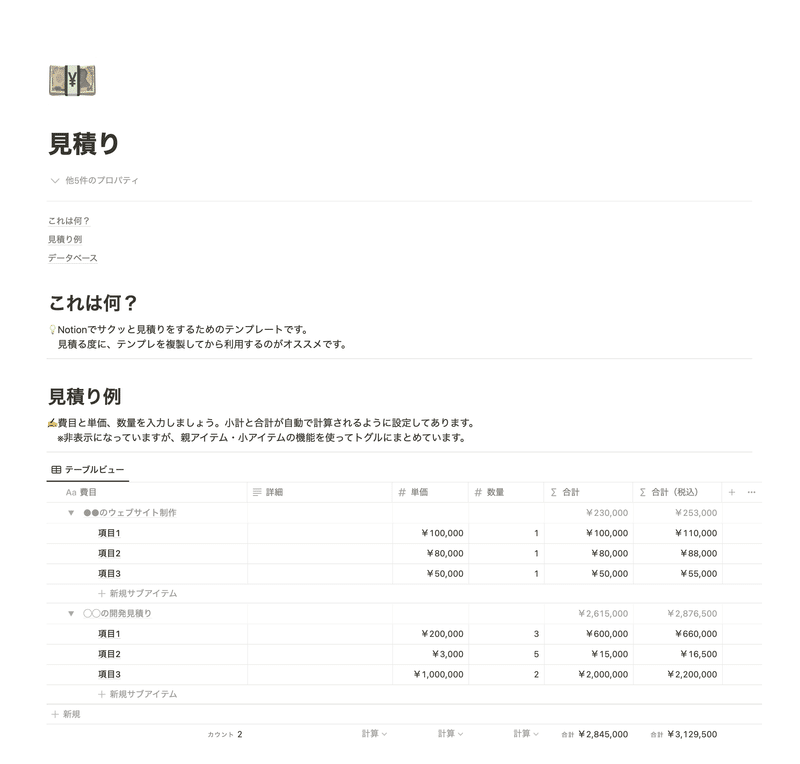
The page we're introducing this time is a template perfect for **easily calculating costs before creating a full-fledged estimate**, or for **simple estimates** when used internally within a company.
It's recommended not only for company use but also as a practical example for those **doing side jobs or working as freelancers**.
This time, I will explain this template in detail, so please read it to the end!
🎬 Director:Rei
✍🏻 Writer:Minokurumi
Estimates, easier than Excel.
What comes to mind when you hear "estimate"?
Many people probably imagine a somewhat rigid document, filling in items on an Excel format, stamping it, and printing it out.
However, there are also times when you might want to "easily calculate the amount beforehand" or when "a simple estimate is sufficient for internal use."
This time, I'm introducing a **Notion template that can calculate amounts more easily than Excel** for such casual situations!
I actually use this myself for both work and personal activities, and I highly recommend **using this page as a memo for when you need to create a formal estimate**.
Furthermore, since this template utilizes various functions, I will also explain the **basic usage of Notion functions** along the way!
How to create an estimate in Notion.
Now, let's dive into the details of the template we're providing and how to use it.
When creating an estimate, try duplicating the template repeatedly as needed.
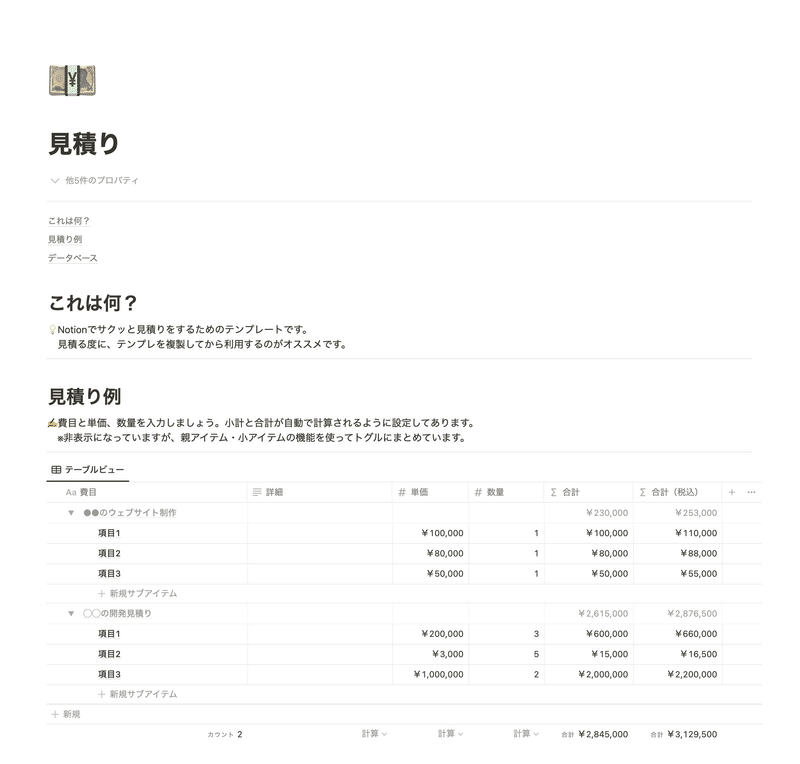
1. Let's actually create an estimate
This estimate page utilizes Notion's **sub-item feature**.
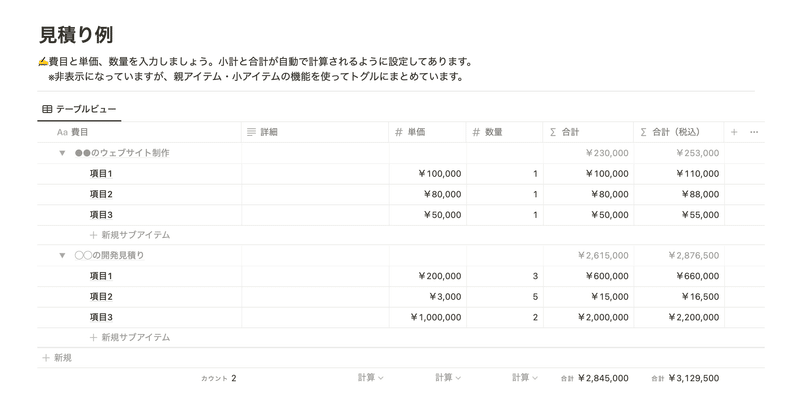
For example, when creating a website, various processes are involved, such as design and coding.
In this estimate, the task "website creation" is considered a "**parent item**," and related tasks like design and coding are displayed as "**sub-items**."
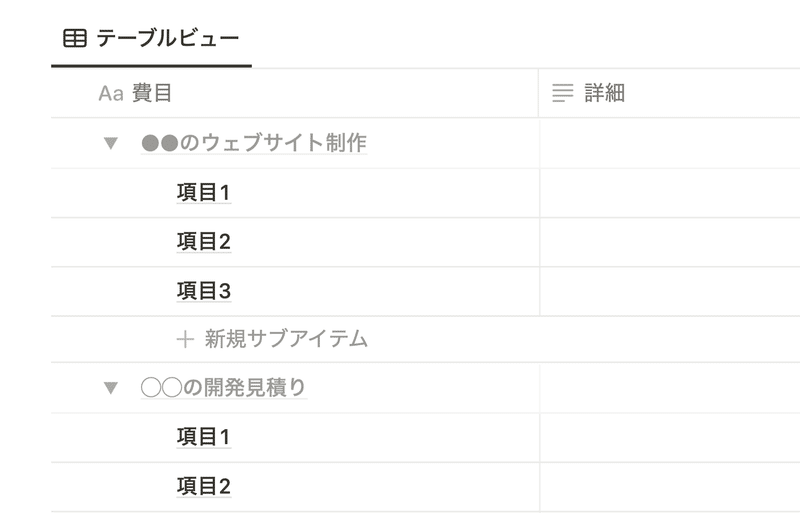
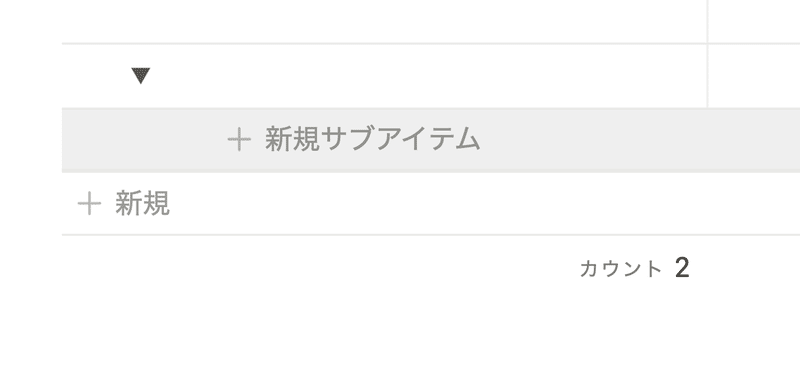
First, let's **add a parent item** using the "+ New" button.
A **toggle button** will appear on the far left. Click this button, and a "+ New sub-item" button will appear inside. Add sub-items, which are minor items, using this button.
Once you've listed the items, next enter the **amounts** into the properties.
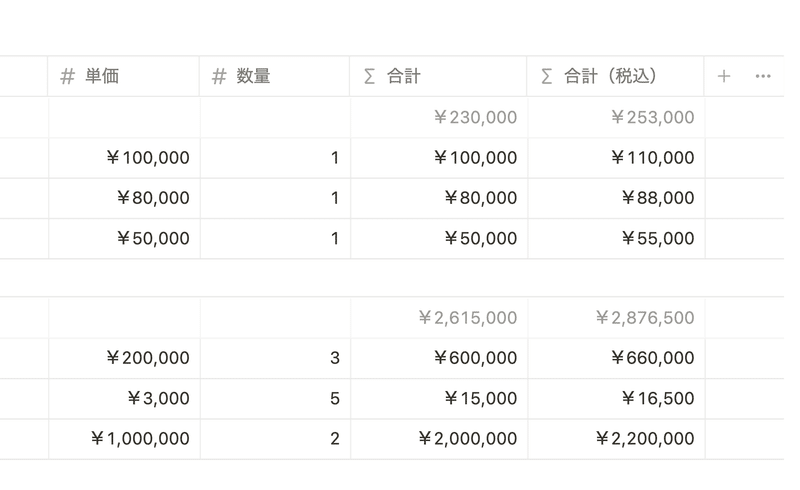
When you enter the unit price and quantity for each item, the "Total" and "Total (including tax)" for that item will be automatically displayed. The total amount for the parent item will also be automatically summed and displayed (in gray numbers).
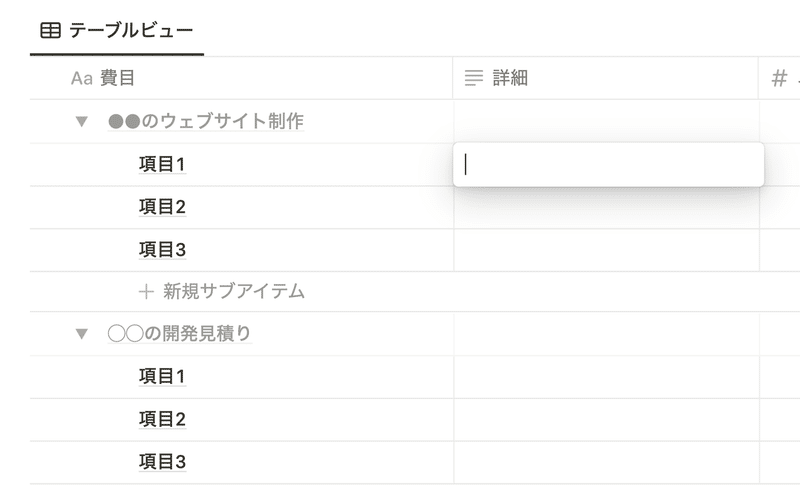
If necessary, note any special remarks, such as the scope of work, in the "Details" section. With this, your estimate is complete!
2. Mastering functions makes it even more convenient
Functions are used to calculate the total amount and the amount including tax mentioned earlier.
If you can use functions as you wish, you might be able to arrange them into more convenient estimates as needed.
Many people may feel intimidated, but Notion's functions are surprisingly easy. Here, we will introduce the basic structure of functions, broadly divided into two types: "vertical calculations" and "horizontal calculations"!
👇🏻Vertical calculation
Vertical calculation is a method for **calculating the sum or average of a vertical column in a database**.
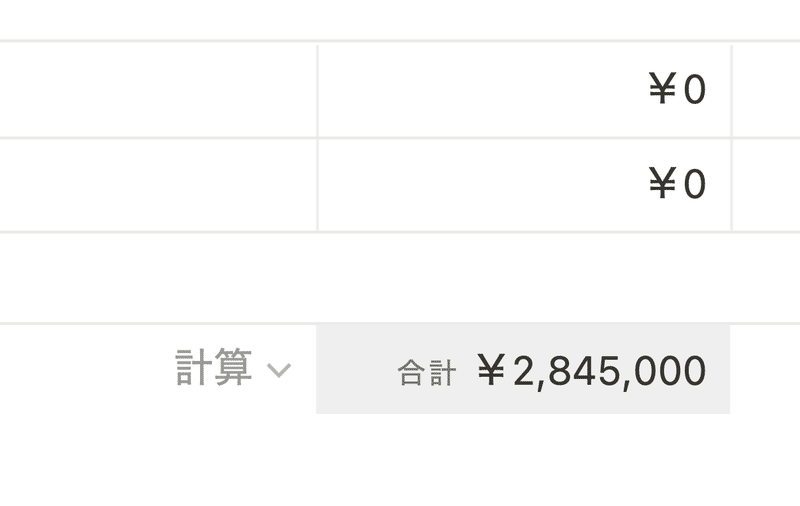
This calculation method is very simple. When you hover your cursor outside the bottom frame of the table, a "Calculate" button appears. Click the button, and a list of available functions will appear. Then, simply select the function that fits your needs.
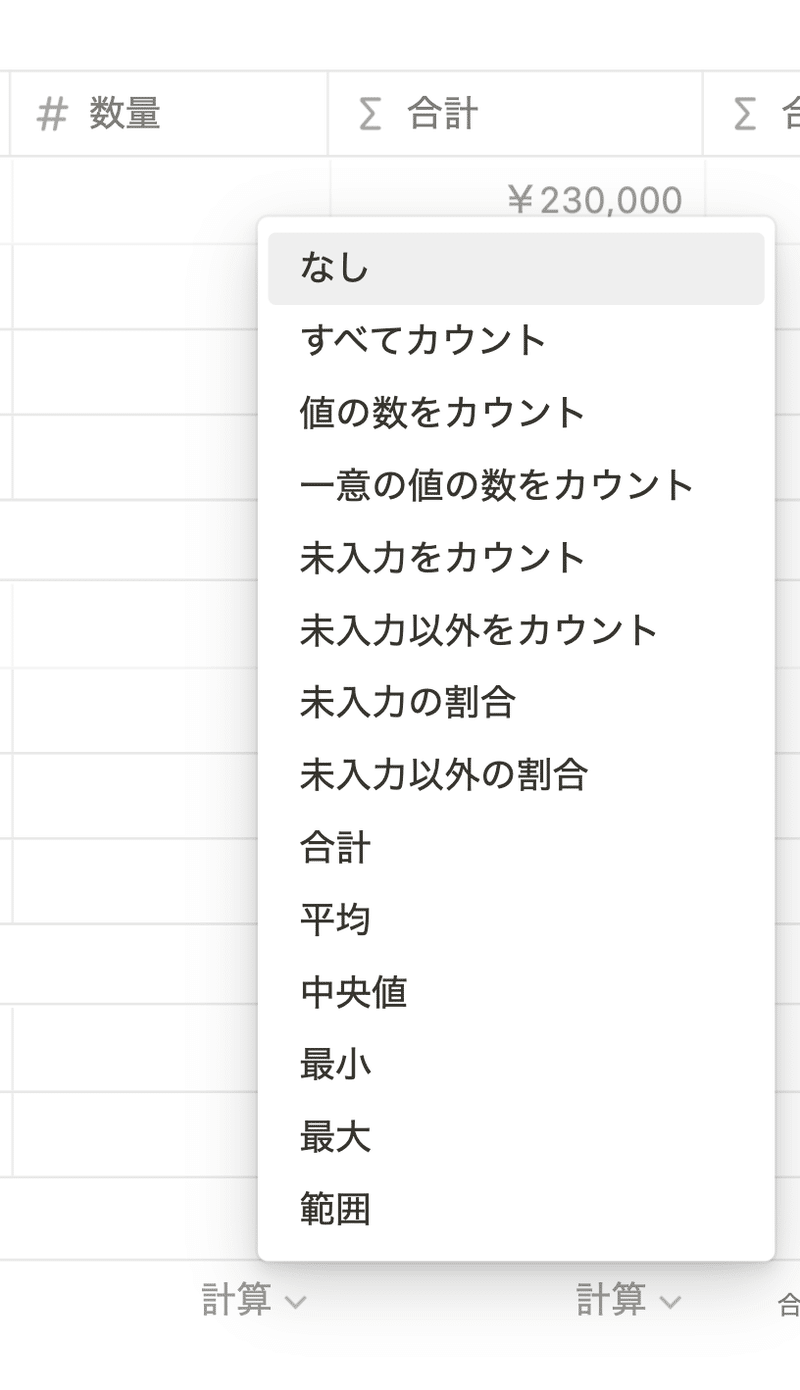
For example, if you want to **calculate the total, choose "Sum"**, or if you want to **count the number of items, choose "Count values"**. When you select a function, its calculation result will be displayed at the bottom of the table.
👉🏻Horizontal calculation
Horizontal calculation might seem a bit tricky, but once you understand the basic structure, you can easily perform multiplication and division just like in Excel.
For **horizontal calculations, use the "Function" property**. First, create a new property and select "Function."
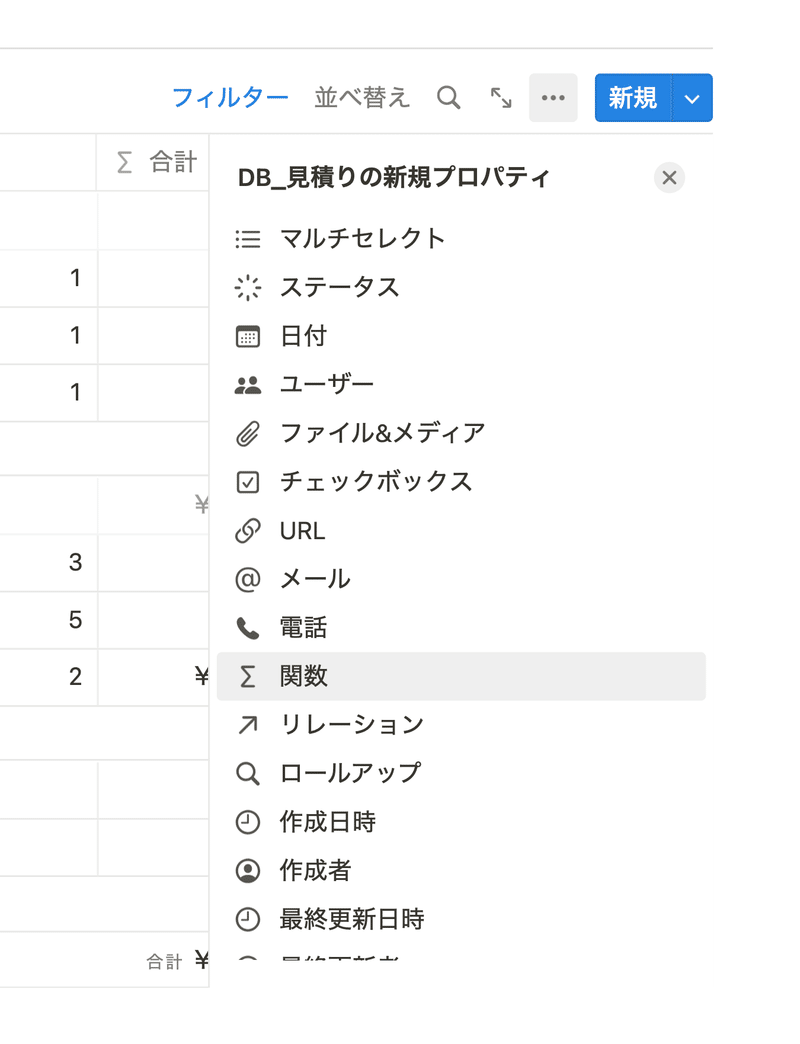
In the property editing screen, there's an "Edit" button for the function; click it to enter the function input screen.
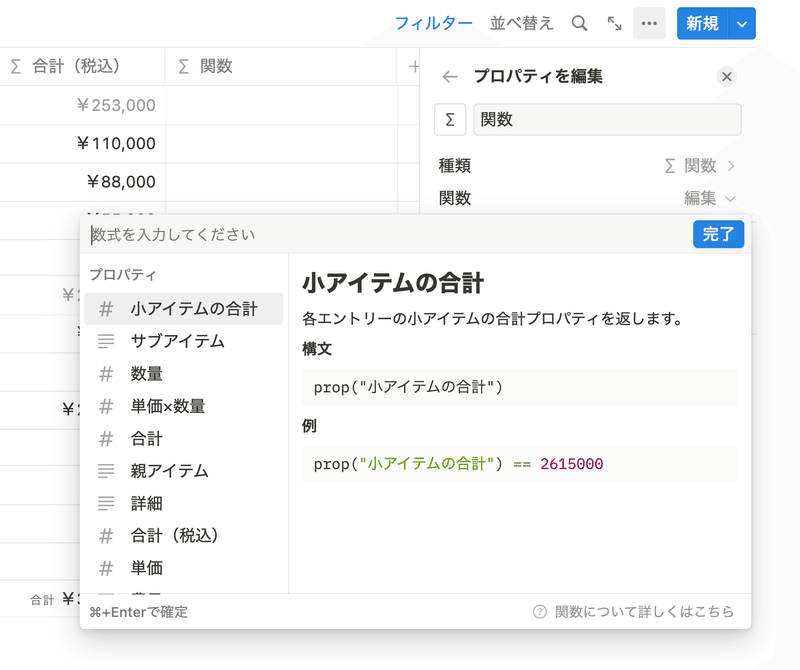
The basic structure of Notion functions, for example, for multiplying properties like "Unit Price" × "Quantity," looks like this:
✍️prop("Unit Price") * prop("Quantity")Function for "Total" property
Here, "prop" stands for property. So, you just **select properties and connect them with "*" or similar operators, just like in Excel**.
Now, let's multiply the price obtained from the above function by **1.1 for consumption tax**. The function will look like this. You can enter the number directly.
✍️prop("Unit Price x Quantity") * 1.1Function for "Total (incl. tax)" property
What do you think? The basic structure is surprisingly simple, isn't it?
Many people have introduced Notion's function formulas, so please try searching for "Notion function list" and experiment with various options!
3. Let's use the "Sub-item" feature
When you want to set minor items related to a major item, as in this estimate, let's utilize the "sub-item" feature!
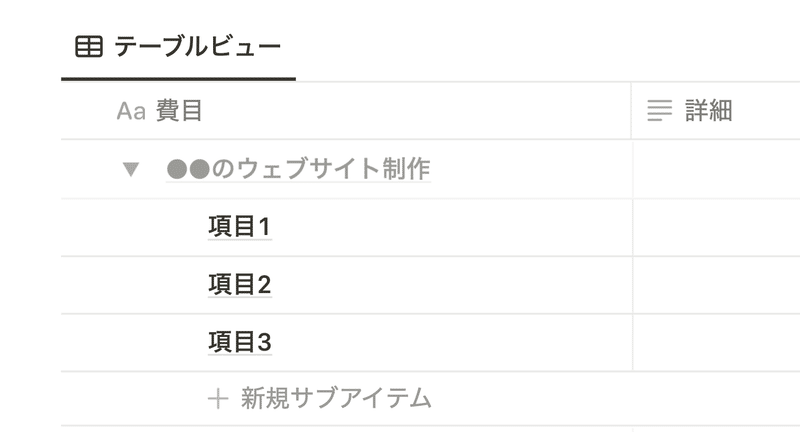
To set up sub-items, click "..." in the upper right corner of the database, select "Sub-items," and then click "Set up sub-items."
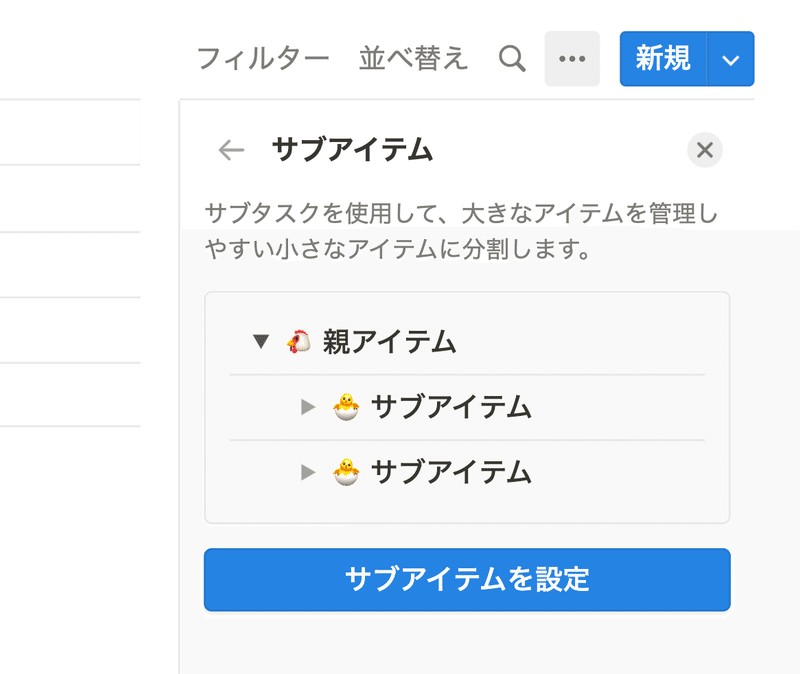
Then, "Sub-item" and "Parent item" properties are created in the database.
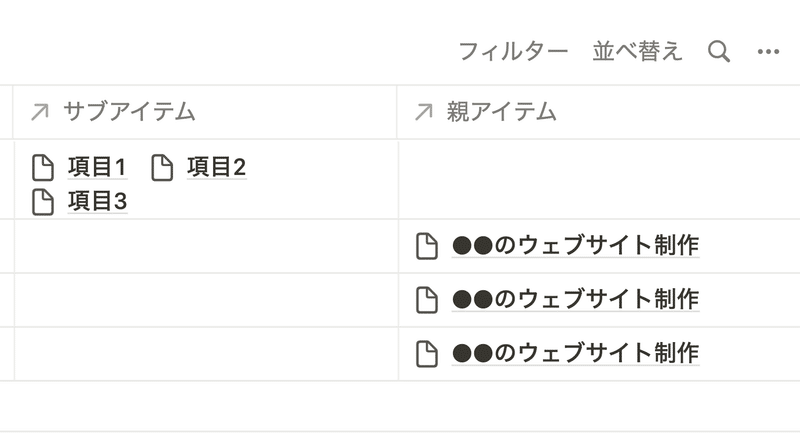
Doesn't that arrow symbol look familiar? Indeed, it's an application of the "relation" feature.
Normally, with relations, you need two separate databases, one for parent and one for child, to connect them. However, this "sub-item" feature allows you to accomplish that within a single database.
This feature is not only great for estimates but also highly compatible with task management, so please use this template to understand its mechanism!
Summary
That concludes our introduction to **how to create an estimate in Notion**! How was it?
Please make Notion a useful tool in your work.
The ultimate task management template realized with Notion, "Todotion," is here!

The two-hour "Notion Master Course" is now available, where you can learn Notion from scratch through videos!

The book "Notion Lifehacks," which introduces 36 ways to utilize Notion, is also on sale!